 29 April 2026
 Share
Share
1
Creating a home office that is both calming and productive can significantly improve your work experience. Whether you work remotely full-time or simply need a dedicated space for occasional tasks, the right environment helps you stay focused and reduces stress. Here are some practical tips to design a home office that nurtures both calmness and efficiency.
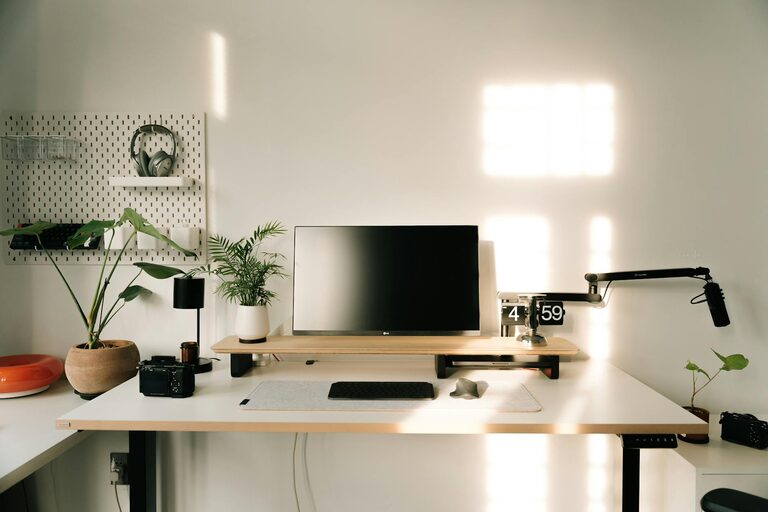
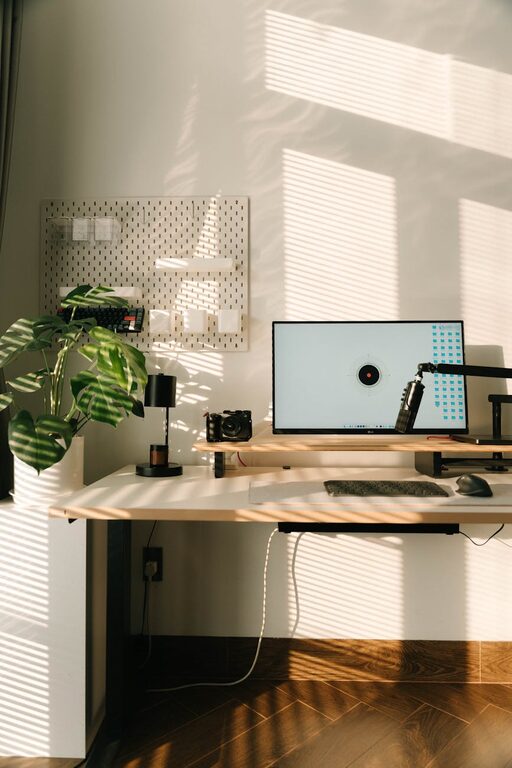
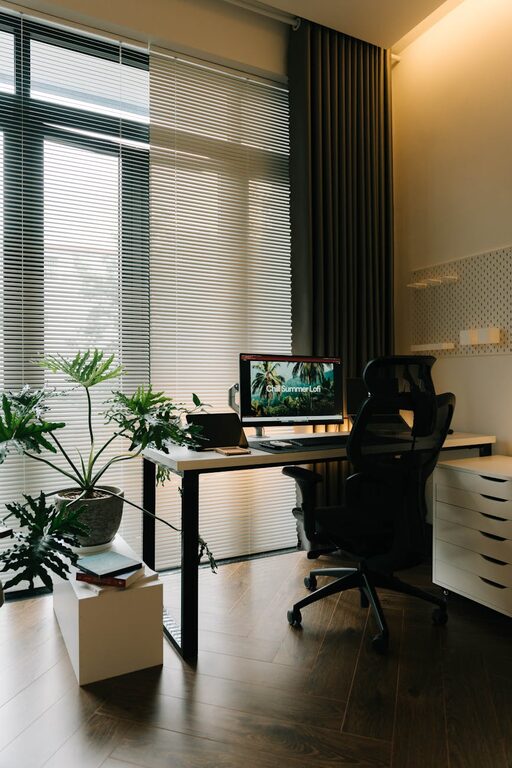
Selecting the best spot for your home office is essential. Ideally, find a quiet area of your home with minimal distractions. This could be a spare room, a corner of the living room, or even a section in your bedroom if space is limited. Natural light is also important — it helps improve mood and alertness. Arrange your desk near a window if possible, but be mindful of screen glare.
Your furniture plays a key role in both comfort and productivity. Choose an ergonomic chair that supports your posture during long hours of work. A desk with enough surface area to accommodate your computer, notebooks, and other essential tools helps keep everything organised.
If standing desks appeal to you, adjustable models allow you to switch between sitting and standing, which can reduce fatigue. Remember to keep frequently used items within easy reach to minimise unnecessary movement.
A cluttered desk often leads to a cluttered mind. Use storage solutions such as shelves, drawers, and organisers to keep paperwork, stationery, and cables tidy. Regularly declutter your workspace to maintain a clean and focused atmosphere.
Digital organisation matters too: create folders on your computer, organise files, and use productivity apps to track your work. Keeping both physical and digital environments in order reduces stress and delays.
The colours and décor you choose for your home office significantly influence your mood. Soft, neutral colours like pale blues, greens, or beiges are known to induce calmness. Avoid overly bright or distracting colours if you find them overwhelming.
Add personal touches such as plants, artwork, or photos that inspire you without causing distraction. Indoor plants not only improve air quality but also add a sense of tranquility to any space.
Good lighting is essential. Natural daylight is best, but when working in the evening or darker rooms, opt for warm, adjustable lighting instead of harsh fluorescent bulbs. Desk lamps with adjustable brightness help prevent eye strain, especially when working on detailed tasks.
Avoid placing bright monitors directly opposite windows to reduce glare, which can cause headaches or fatigue.
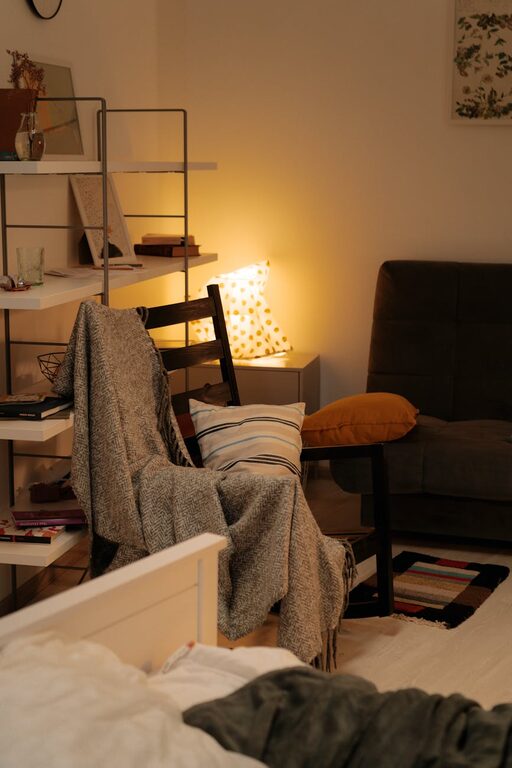
To maintain calmness throughout your workday, incorporate small elements that help you relax. This might be a cosy cushion, a soft rug, or noise-cancelling headphones to block out background sounds.
Consider playing gentle background music or natural sounds, like ocean waves or birdsong, if it helps you concentrate. Meanwhile, scented candles or essential oil diffusers with subtle fragrances like lavender or eucalyptus can enhance relaxation without overpowering the room.
A well-ventilated room promotes alertness and comfort. Whenever possible, open windows to let in fresh air. Use air purifiers if air quality is a concern, especially in urban environments.
Temperature control is also important: ensure your home office isn’t too hot or cold. A comfortable temperature helps you focus and prevents discomfort during long periods of work.
Even with the perfect setup, working for extended periods without breaks can reduce productivity. Use techniques such as the Pomodoro method, where you work for 25 minutes, then take a 5-minute break.
During breaks, stand up, stretch, or take a short walk to clear your mind. Stepping away from your desk helps prevent burnout and keeps your body comfortable.
Turning off non-essential notifications on your computer or phone helps maintain focus. You can also use apps or browser extensions that block distracting websites during work periods.
Create dedicated times to check emails and messages rather than responding continuously. This discipline enhances workflow and reduces task-switching, which can sap concentration.
Your home office should feel inviting but still be a place for work. Strike a balance when personalising your space: display items that motivate you or make you smile but avoid overly casual or distracting elements.
Keeping the space somewhat separate from your relaxation areas helps your brain associate it with productivity.
—
By applying these tips, you can create a home office that supports both calm and productivity. Tailor your environment to your preferences, and remember to adjust your setup as your needs evolve. A thoughtful workspace can make all the difference in how you feel and perform during your workday.