 29 April 2026
 Share
Share
1
Creating a productive home office environment is essential for anyone working remotely or managing tasks from home. A well-designed workspace can help improve focus, reduce stress, and increase overall efficiency. Whether you have a dedicated room or a small corner, there are practical steps to make your home office a place where you enjoy working.
Working from home comes with many benefits, such as flexibility and convenience. However, without a proper setup, it can also lead to distractions, discomfort, and a lack of motivation. A thoughtfully arranged office space supports your wellbeing and helps separate work from home life, which is key to maintaining productivity.
Selecting the right spot in your home for your office is the first step.
– Quiet and Private: Find an area away from heavy foot traffic and noise to minimise interruptions.
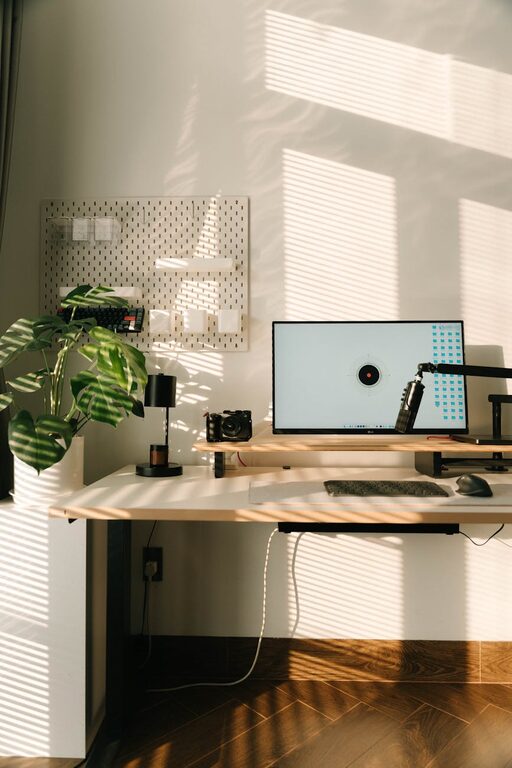
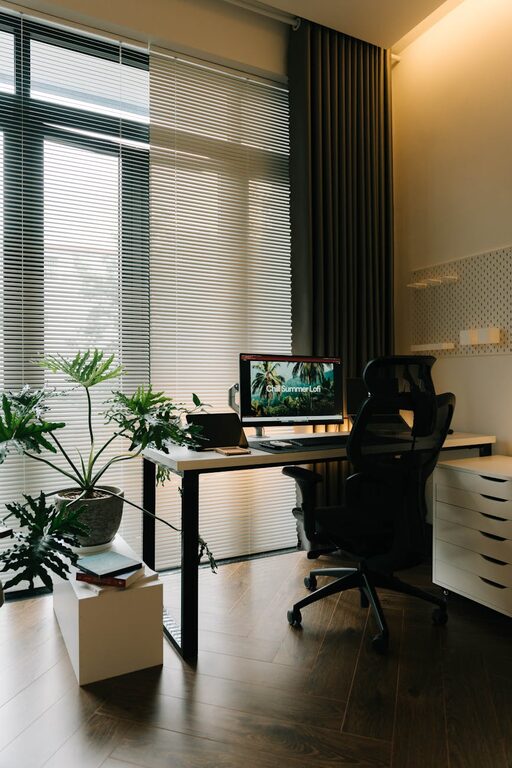
– Natural Light: Position your desk near a window if possible. Natural light improves mood and alertness.
– Spacious Enough: Ensure there is enough room for your desk, chair, and any equipment you need.
If a private room isn’t available, use room dividers or screens to carve out your workspace.
Comfort plays a huge role in how productive you feel.
– Desk: Choose a desk at a comfortable height. Adjustable desks that allow you to stand or sit are a great option.
– Chair: Invest in an ergonomic chair that supports your lower back. Sitting for long hours is easier when your posture is well supported.
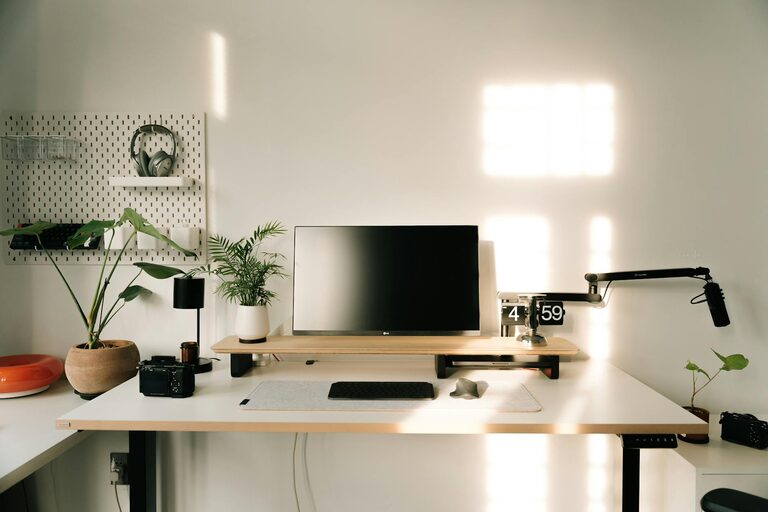
– Monitor Position: Your computer screen should be at eye level to reduce neck strain.
Remember, small changes like wrist rests or footrests can also make a big difference.
A tidy and organised workspace helps your mind stay clear and focused.
– Declutter Regularly: Keep only essential items on your desk to minimise distractions.
– Storage Solutions: Use shelves, drawers, or filing cabinets to organise documents and supplies neatly.
– Cable Management: Use clips or tubes to keep cables tidy and prevent tangling.
By organising your tools and paperwork, you save time and reduce stress.
Good lighting and a comfortable climate are crucial.
– Artificial Lighting: Complement natural light with desk lamps or overhead lighting that doesn’t cause glare on screens.
– Temperature: Keep the room at a comfortable temperature, around 20-22°C is generally ideal.
– Ventilation: Fresh air helps keep you alert. Open windows when possible or use an air purifier.
Adjust these factors to your personal comfort for sustained productivity.
Create an environment that supports concentration.
– Noise Control: Use noise-cancelling headphones or white noise machines if background noise is unavoidable.
– Digital Distractions: Use website blockers or apps that limit social media during work hours.
– Set Boundaries: Communicate your work schedule to family or housemates to reduce interruptions.
Establishing clear boundaries between work and personal time will also help improve focus.
Adding a touch of personality can make your office a place you enjoy spending time in.
– Plants: Indoor plants improve air quality and add a calming natural element.
– Artwork: Visual inspiration can boost creativity and mood.
– Comfort Items: Add cushions or a favourite mug to create a welcoming atmosphere.
Just ensure these personal touches don’t create clutter or distractions.
Technology is central to home working but should be kept simple and effective.
– Reliable Internet: A strong internet connection avoids delays and frustration.
– Organise Software: Use apps to organise tasks, share files, and communicate with colleagues smoothly.
– Backup: Always have a backup system for important documents and data.
Keeping technology up to date and organised supports a smooth workflow.
Rest is part of productivity.
– Microbreaks: Stand up, stretch, or take a short walk every hour.
– Designated Break Area: If possible, move away from your desk for breaks to mentally separate work from rest.
– Healthy Habits: Stay hydrated and snack on nutritious foods to maintain energy levels.
Scheduled breaks reduce fatigue and improve focus when you return to tasks.
Creating a productive home office environment takes some effort but pays off in better work quality and wellbeing. By choosing the right location, investing in ergonomic furniture, organising efficiently, and managing distractions, you can build a space that supports your best work every day. Remember to personalise your area and use technology smartly to enhance productivity further. With these tips in mind, your home office can become a place where work feels rewarding and enjoyable.